
Guides
The Complete Guide to Sustainable Packaging for Small Businesses
By editoruser · August 10, 2026
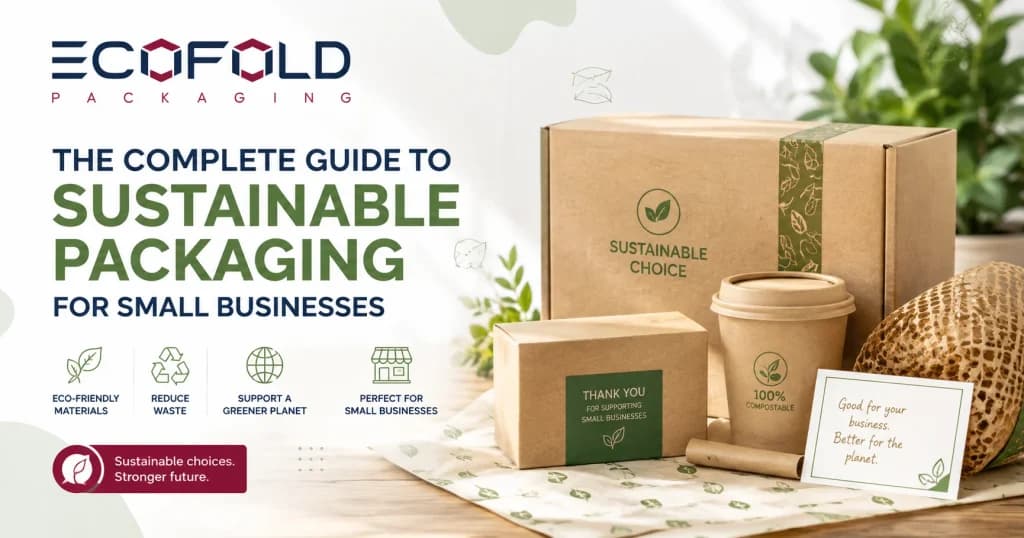
Small businesses have a more complicated relationship with sustainable packaging than large brands do. A major retailer can absorb a cost premium across millions of units. A small business ordering 200 boxes a month feels every dollar of that premium directly, with no volume discount to soften it.
This guide is written for the brand owner who wants to make the switch but needs practical answers about materials, cost, certifications, and where to start without overcomplicating it.
Why Sustainable Packaging Actually Matters for Small Businesses
The business case for sustainable packaging is not primarily environmental. It is commercial. Consumer preferences have shifted enough that packaging material choices affect purchasing decisions, unboxing behavior, and social sharing.
A customer who receives a product in a box that clearly uses recycled or paper-based materials has a different reaction than a customer who receives the same product wrapped in non-recyclable plastic.
Retailer sourcing requirements are also a real factor for any small business trying to enter specialty retail, natural food stores, or major chains with sustainability standards.
Several large retail partners now ask suppliers about packaging materials as part of their vendor qualification process. Getting the packaging right supports both the direct customer relationship and future retail channel opportunities.
Recyclable, Compostable, Biodegradable: What Each Term Actually Means
These three terms are used interchangeably in marketing but they describe completely different things, and the difference matters when making a packaging decision.
Recyclable packaging is packaging that can be processed through existing recycling collection infrastructure. Corrugated cardboard, kraft paper, and many paperboard cartons are recyclable in most US curbside programs. The claim is only valid if the local infrastructure actually accepts the material, which varies by municipality.
Compostable packaging breaks down into organic matter under specific conditions. Most compostable packaging, including PLA-based bags and films, requires industrial composting at specific temperatures and moisture levels.
Home compost bins typically cannot process these materials within a practical timeframe. Certification from the Biodegradable Products Institute (BPI) confirms a product meets ASTM D6400, the US industrial composting standard.
Biodegradable packaging is a broader, less regulated term. It means the material will break down naturally over time, but there is no standard timeframe or condition attached to the claim. A product labeled biodegradable may take decades in a landfill. The term carries less consumer trust than recyclable or certified compostable. Our blog on What Makes Packaging Truly Eco-Friendly explains these distinctions in more detail alongside how finish and lamination choices affect whether packaging can actually be recycled.
Sustainable Packaging Materials That Work at Small Order Quantities
Not all sustainable packaging materials are practical at the order quantities most small businesses work with. The most accessible options share three qualities: they are available in quantities from 100 to 500 units, they do not require specialty equipment to handle, and they perform adequately for the product type.
| Material | Best For | Key Consideration |
| Corrugated cardboard | Shipping and ecommerce boxes | 90%+ commercial recycling rate; widely accepted in curbside programs |
| Kraft paper and board | Retail packaging, wrapping, mailers | Biodegradable and recyclable when unlaminated; natural aesthetic |
| Paper mailer bags | Lightweight ecommerce shipping | Direct poly mailer replacement; check moisture resistance for the product |
| Recycled-content poly mailers | Soft goods and apparel shipping | Lower carbon footprint than virgin poly; some brands still prefer paper |
| Crinkle paper and paper void fill | Interior protective fill | Replaces bubble wrap; curbside recyclable; stronger retail appeal |
| FSC-certified board | Any carton or box program | Confirms responsibly sourced wood fiber; supports supplier selection |
A deeper breakdown of how specific sustainable materials perform compared to conventional alternatives is in our guide on 5 Sustainable Materials Replacing Plastic Packaging.
Packaging Certifications Worth Knowing
Certifications give buyers and end customers a way to verify sustainability claims rather than take marketing copy at face value. For small businesses building a packaging program, three certifications are the most practically relevant in the US market.
FSC (Forest Stewardship Council) certification on paper and board confirms that the wood fiber comes from forests managed to specific environmental and social standards. It is the most recognized responsible sourcing certification in paper-based packaging.
BPI (Biodegradable Products Institute) certification on compostable packaging confirms the product meets ASTM D6400 for industrial composting. This is the certification to look for on any compostable bag, film, or container.
How2Recycle is a standardized labeling system that tells the end consumer exactly how to dispose of each packaging component. It is used by many major brands and helps customers sort materials correctly, which improves actual recycling rates rather than just intentions.
How Much More Does Sustainable Packaging Cost?
The honest answer is a range. Paper-based alternatives to plastic mailers typically run 10 to 25 percent more per unit at small order quantities. FSC-certified cardboard runs comparably to standard cardboard at most quantities. Certified compostable packaging can run 30 to 60 percent more than conventional plastic alternatives.
Several factors narrow this gap. Right-sizing packaging reduces material use and can lower per-unit cost relative to over-sized conventional packaging. Choosing a simple sustainable material (recycled kraft, paper void fill) rather than premium certified compostable options closes the cost difference significantly.
For a full picture of how packaging material, structure, and quantity decisions interact to produce the total cost, our guide on the Real Cost of Custom Packaging covers each variable in plain terms.
Right-Sizing: The Sustainability Move Most Small Businesses Overlook
Switching from a plastic mailer to a paper one is visible. Switching to a box that actually fits the product instead of one that is two sizes too large is less visible but often more impactful. An oversized box requires more void fill, more outer cardboard, and costs more in carrier fees because dimensional weight (DIM weight) pricing charges for the volume of air inside the package, not just the product weight.
Right-sizing a box means ordering cartons built to the specific internal dimensions of the product, with enough clearance for any insert but without excess space that needs to be filled with paper or foam.
It reduces material use, reduces shipping cost, and reduces the amount of packaging the customer has to dispose of. It is also one of the more practical sustainability steps a small business can take without needing to change materials at all.
A Practical Way to Start the Switch
Switching an entire packaging program at once is not necessary and often causes more disruption than benefit. A phased approach by packaging component is more manageable for most small businesses.
- Replace void fill first: swap bubble wrap and plastic peanuts for crinkle paper, kraft paper, or honeycomb wrap. This is the lowest-cost, lowest-risk swap and makes an immediate visible difference in the unboxing experience.
- Replace tape next: switching from plastic packing tape to water-activated kraft tape or paper tape is inexpensive and eliminates a non-recyclable element from an otherwise recyclable cardboard box.
- Evaluate the outer mailer or box: once the fill and tape are addressed, assess whether the outer shipping container can be switched. Paper mailers, right-sized corrugated boxes, or recycled-content poly mailers are the main options depending on the product type.
- Address printed cartons last: inner retail packaging involves more decisions around print method, lamination, and material, and usually requires working with a supplier on a full specification. This is the most involved switch and benefits most from doing it once, correctly.
Brands ready to review sustainable packaging options for their product line can explore our Custom Eco-Friendly Boxes range for the kraft, recyclable paper-based, and FSC-certified carton formats available for retail and ecommerce packaging programs.
Frequently Asked Questions
What is sustainable packaging for small businesses?
Sustainable packaging for small businesses refers to packaging materials and structures that reduce environmental impact through recyclability, compostability, recycled content, or responsibly sourced materials, chosen at the order quantities and price points that are practical for smaller brands.
What materials are commonly used for sustainable packaging?
Corrugated cardboard, kraft paper and board, FSC-certified paperboard, paper mailer bags, recycled-content poly mailers, crinkle paper void fill, and certified compostable bags and films are the most widely used materials for small business sustainable packaging programs.
Is sustainable packaging more expensive than traditional packaging?
Generally yes, by 10 to 60 percent per unit depending on the material and order quantity. Paper-based swaps for plastic are typically in the 10 to 25 percent premium range. Certified compostable materials carry a larger premium. Right-sizing packaging and reducing void fill can partially or fully offset the added cost.
How can small businesses switch to eco-friendly packaging?
A phased approach works best. Start with void fill and tape, then evaluate the outer shipping container, and address printed retail cartons last. Each phase is a self-contained decision that does not require changing the entire packaging program at once.
What certifications should I look for in sustainable packaging?
FSC certification for paper and board confirms responsible forest sourcing. BPI certification confirms a product meets ASTM D6400 industrial composting standards. How2Recycle labeling tells consumers how to sort and dispose of each packaging component correctly.