
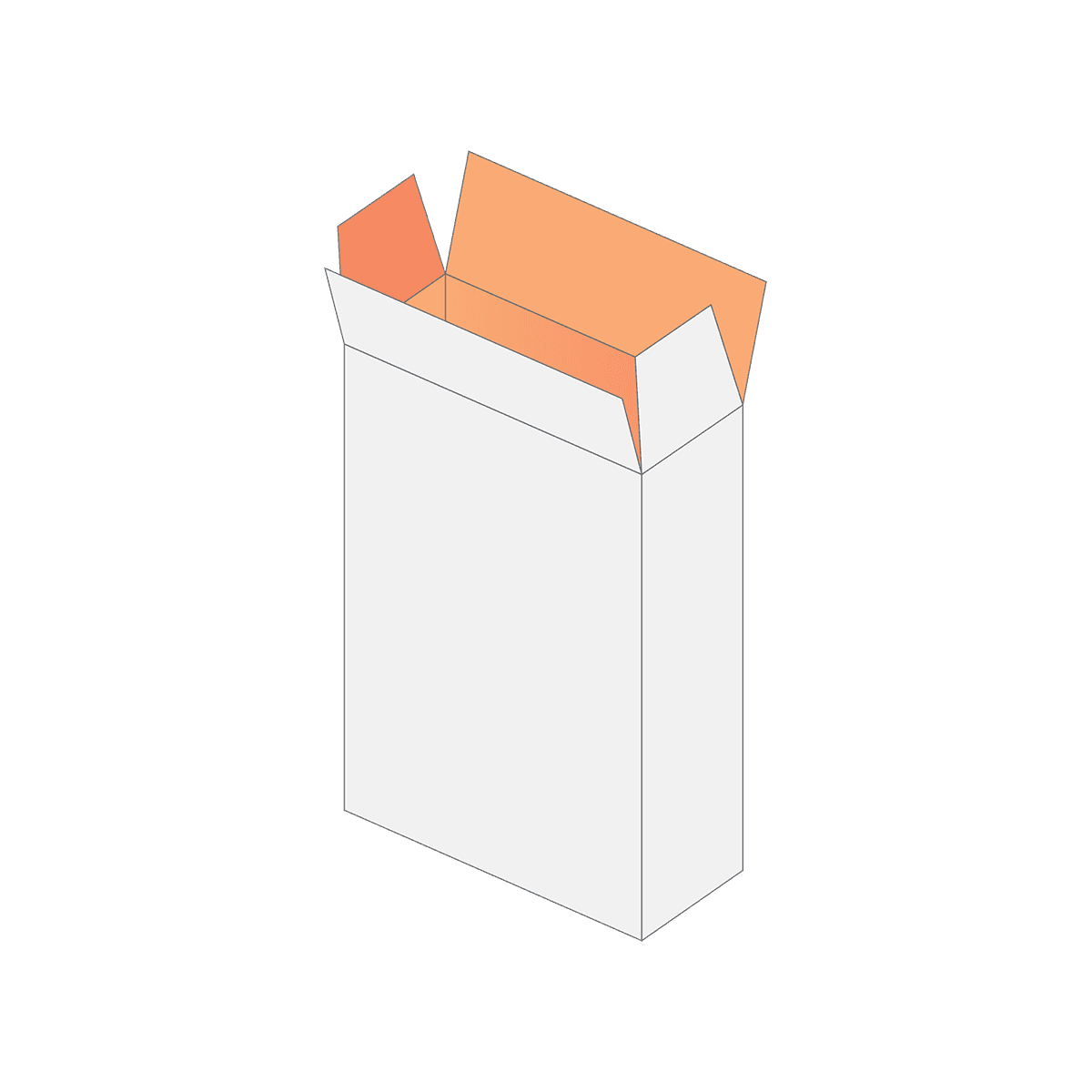
Custom Bottom Closure Boxes in USA
Packaging failures happen at the bottom. Not the top, not the sides. The base. A box that holds shape on the shelf but collapses when the product is placed inside, when a packer picks it up too quickly, or when three identical units are stacked in a fulfillment bin has a bottom closure problem. Custom bottom closure boxes are folding cartons where the base is engineered to lock, self-form, or seal before the product goes in, rather than relying on a simple tuck-in flap held by friction alone. EcoFold builds bottom closure boxes in auto-bottom, 1-2-3 bottom, full flap auto bottom, and seal end configurations in custom sizes and materials, starting at 100 units with 8 to 10 business day turnaround and no die or plate charges.Bottom Closure Types: How Each One Works
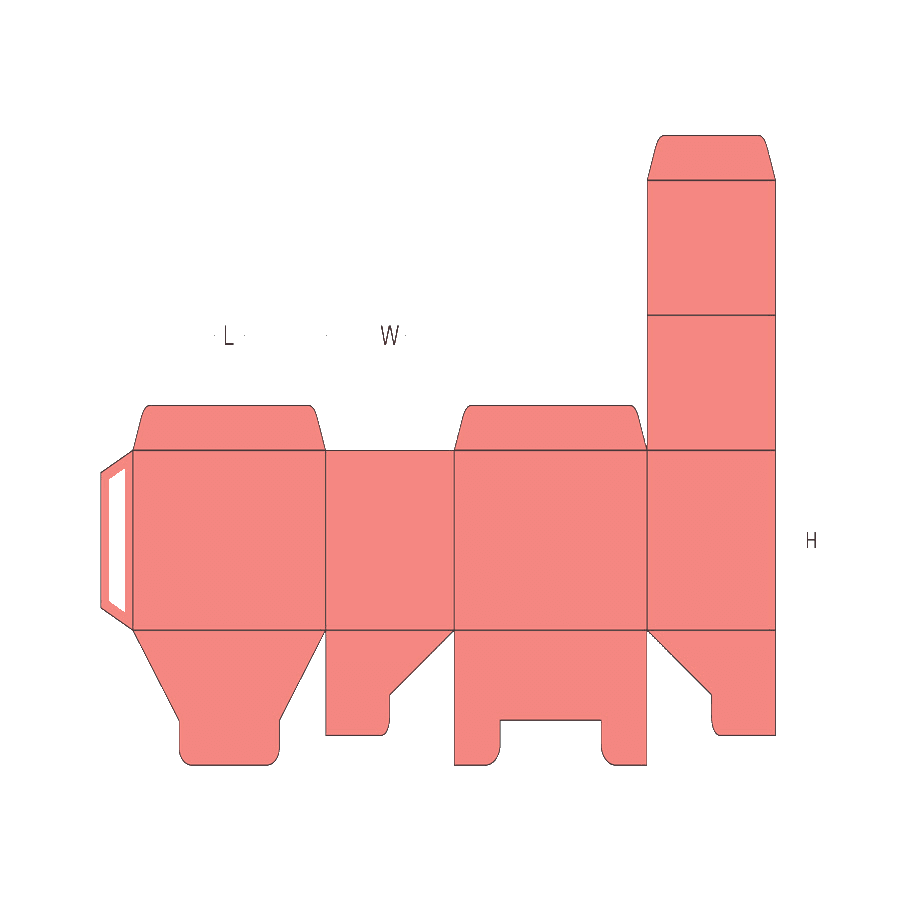
Bottom lock boxes, sometimes called snap-lock or auto-bottom boxes, are the most common format in retail folding carton programs. But there are several distinct bottom closure mechanisms, and each one works differently at the packing station.| Closure Type | How It Assembles | Base Strength | Best For |
| Auto-bottom (snap-lock) | Pre-glued at factory, packer pushes sides and base snaps into locked position | High | High-volume retail packing, moderate-weight products |
| 1-2-3 bottom | Three base flaps folded in sequence by the packer, no glue or mechanism | Medium | Lower-volume or manual packing, lower per-unit cost |
| Full flap auto bottom | Pre-glued auto base with a full overlap flap covering the entire floor | Very high | Heavier products, stacked retail displays, extra base coverage needed |
| Seal end auto bottom | Pre-glued base plus glued top seal, all closures sealed at the factory | High | Pharmaceutical, food safety, tamper-evident retail packaging |
Auto Bottom vs 1-2-3 Bottom: What the Difference Means at the Packing Line
This is the most common decision point for brands ordering folding cartons with a structured base. Both formats produce a secure bottom. The difference is operational. Auto-bottom boxes are pre-glued at the factory. The base panels interlock during manufacturing and the box ships flat. To set up the box, the packer pushes the two side walls inward and the base snaps into locked position in a single motion. No flap folding, no sequence to follow, no second hand needed to hold the flaps down while inserting the product. For a packing operation running 200 to 500 boxes per hour, that single-motion setup is the direct difference between keeping pace and falling behind. 1-2-3 bottom boxes require the packer to fold three overlapping base flaps in a set sequence before the box is ready to fill. No glue and no locking mechanism are involved. The three flaps hold each other in position through geometric overlap. The manufacturing step is simpler because no pre-gluing is required, and the per-unit cost is usually slightly lower as a result. The trade-off is assembly time at the packing station and the possibility of a flap being folded in the wrong order under pressure, which weakens the base. For most retail packaging operations where box assembly is happening at any meaningful scale, the auto-bottom format justifies the marginal per-unit cost difference. For short-run, slow-pace, or small-batch operations, 1-2-3 bottom is a practical and lower-cost alternative.Materials and Construction
Custom bottom closure boxes are a type of custom folding cartons. The closure mechanism is the base design variable. Everything else, material, board weight, print, and finish, follows the same options as standard folding carton production. 14pt to 16pt SBS cardstock is the standard for most retail, cosmetics, food, and light product packaging. Smooth white surface, full CMYK print, and the correct board weight for most light to medium-weight products in an auto-bottom format. 18pt to 20pt SBS for products where the base needs additional structural support from the board alongside the mechanical closure. Heavier items and stacked retail displays both benefit from the extra board weight. Kraft paper for natural and eco-positioned brands where the material appearance is part of the brand identity. Kraft auto-bottom boxes are common in natural food, personal care, and artisan product categories. Bottom closure cartons are folding cartons, not corrugated. For products that need corrugated wall strength, that is a different packaging category. Retail brands using bottom closure cartons as part of a broader printed packaging program can also explore our custom retail boxes range for standard folding carton formats and other retail packaging builds.Print and Finish Options
Custom printed bottom closure boxes use offset CMYK for runs of 500 and above and digital print for shorter quantities. Pantone color matching is standard for brands that reorder the same SKU and need color accuracy across batches. The base closure style does not reduce the printable surface area. Every panel is printable: front, back, both side panels, the top, and the outer base flap faces on auto-bottom builds. Brands that use the base exterior for a brand message, a QR code, or a promotional element can do so without affecting the closure performance. Finish options include matte lamination, gloss lamination, soft-touch matte, spot UV, foil stamping, and embossing. For retail display programs that use bottom closure cartons as the individual product unit inside a larger display structure, the finish specification should match across the carton and the outer display unit. Brands building that kind of shelf or counter display program can pair their bottom closure cartons with our custom display packaging for the counter tray or shelf-ready unit that holds the individual cartons.Who Orders Custom Bottom Closure Boxes?
Cosmetics and personal care brands packing serums, toners, supplements, and similar products that sit upright in retail. A secure base is directly tied to shelf stability for upright-standing cartons. Food brands packing retail-format dry goods, snacks, and individually portioned products where the auto-bottom format reduces assembly time across high-volume daily production runs.- Pharmaceutical and nutraceutical brands using seal end auto bottom configurations for tamper-evident closures on medication and supplement cartons
- Small to mid-size ecommerce brands that hand-pack products and need a base that does not require tape or additional adhesive to secure
- Contract packagers handling multiple brand clients who need fast-assembly carton formats that work consistently across a high-turnover packing environment
- Retail brands packing seasonal products where the assembly speed advantage of auto bottom boxes is operationally significant during peak volume periods
Why Brands Order From EcoFold
- MOQ starts at 100 units with custom bottom closure boxes wholesale pricing tiered by quantity
- Auto-bottom, 1-2-3 bottom, full flap auto bottom, and seal end configurations available
- 14pt to 20pt SBS, kraft, and FSC-certified board options
- Custom dimensions for every product format
- Offset and digital CMYK print with Pantone matching
- Matte, gloss, soft-touch, foil, spot UV, and emboss finish options
- 8 to 10 business day turnaround after artwork approval
- No die or plate charges, with clear pricing before production starts
- Ships to businesses across the USA