



Custom Rectangular Boxes in USA
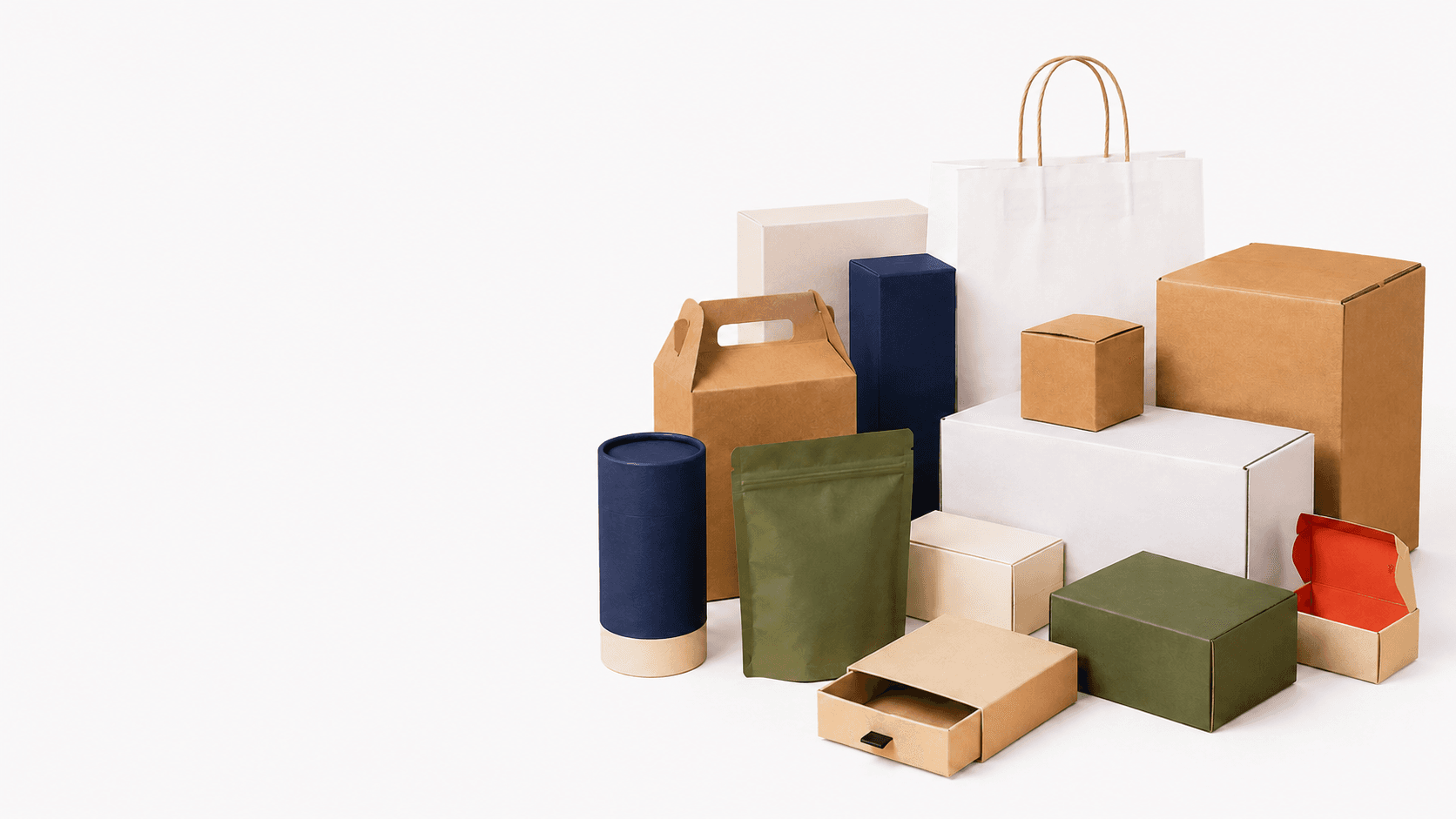
The rectangular box is the standard format of retail packaging. It is what most products arrive in, what most brands start with, and what most shelf displays are organized around. Custom rectangular boxes are not a niche choice. They are the baseline. What varies is the folding style, the closure mechanism, the dimensions, and the print. Getting those right for a specific product is where the actual packaging decision happens. EcoFold builds rectangular packaging boxes in straight and reverse tuck-end, seal end, dispenser, and tray configurations, in custom sizes and materials, starting at 100 units with 8 to 10 business day turnaround and no die or plate charges.Rectangular Box Styles and How They Differ
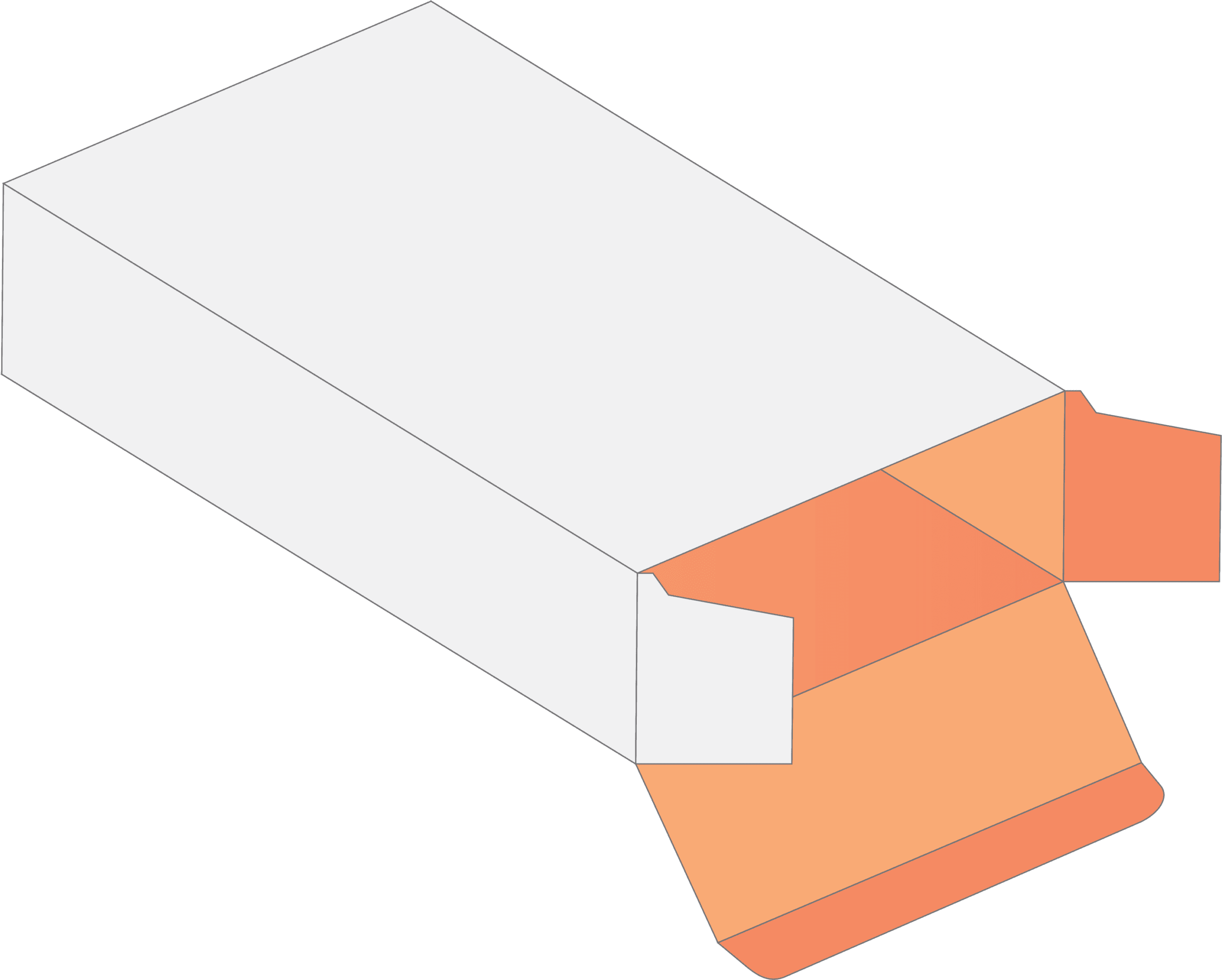
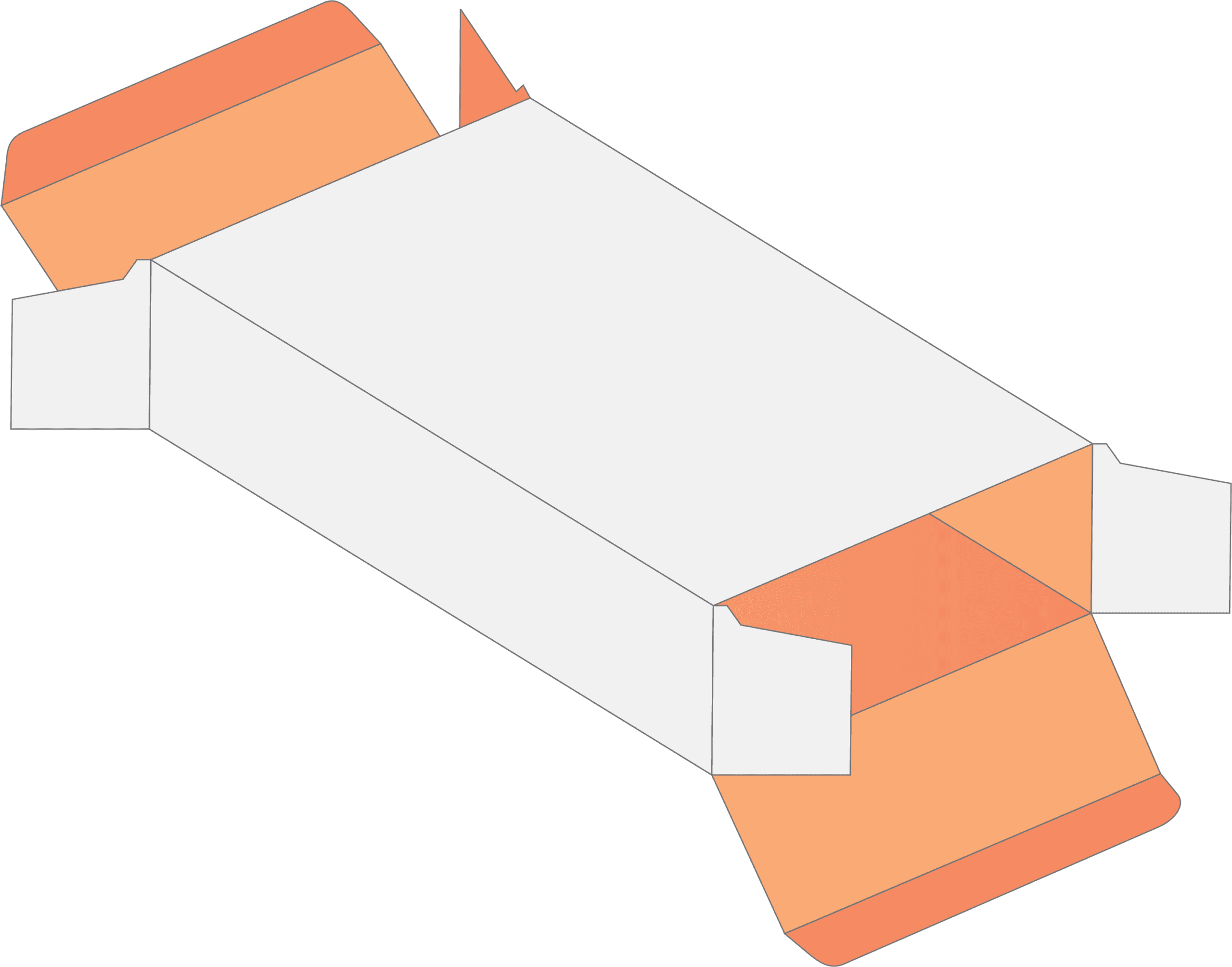
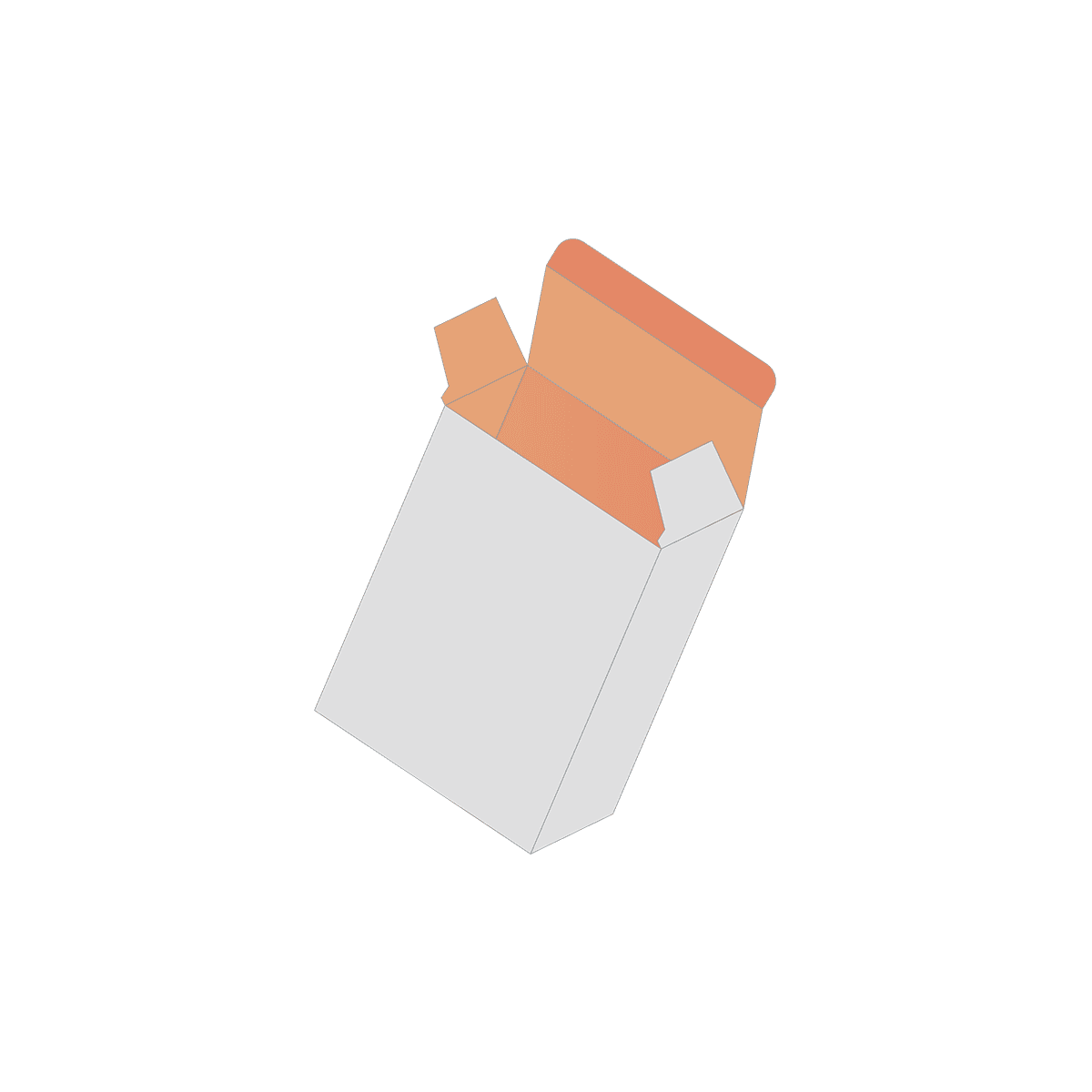
All rectangular folding cartons share the same outer form: four main panels, two end closures, six printable surfaces. What changes is how the closures work and what that means for the packing process and the product inside.| Style | How It Closes | Best For | Pack Method |
| Straight tuck end (STE) | Top and bottom flaps tuck in the same direction | Standard retail, cosmetics, supplements | Hand or semi-auto |
| Reverse tuck end (RTE) | Top tucks forward, bottom tucks backward | Specific access orientation or auto-packing alignment | Hand or machine |
| Seal end | Both ends glued at the factory; product loaded then resealed | Pharmaceuticals, food, tamper-evident retail | Machine preferred |
| Tuck end auto bottom | Bottom auto-locks; top closes as a standard tuck-in | Retail cartons needing fast base formation | Hand or semi-auto |
| Dispenser box | Standard rectangular build with a die-cut dispensing panel on the front or top | Portion packs, wrapped items, teabags, wipes | Hand packing |
Tuck End vs Seal End: What the Difference Means in Practice
This is the most common decision point when specifying a rectangular folding carton. Both formats look similar from the outside. They work very differently at the packing stage and serve different needs. Tuck-end boxes close by folding a dust flap inward and tucking the main closure panel into the box opening. The closure is not glued; it is held by the tension of the folded board. The box can be opened and closed multiple times without damaging the structure. For most retail products that are opened once by the end user, this is perfectly adequate. For products that need to stay visibly intact through a longer distribution chain, the friction-based closure is the structural weak point. Seal end boxes are glued at the factory. The product is loaded through one open end, which is then sealed shut. The result is a closure that cannot be reopened without visible damage to the box. For pharmaceutical products, over-the-counter medications, and food items sold through retail chains, seal end is frequently a retailer requirement rather than a brand preference. The trade-off: seal end boxes require machinery to close efficiently and are not well-suited to hand-packing at any meaningful scale. Brands comparing rectangular closure styles with dedicated top-opening formats can also review our custom top closure boxes range.Dispenser Boxes: When the Rectangle Has a Second Function
A dispenser box is a rectangular carton with an additional die-cut opening that allows the product to be retrieved one unit at a time while the full box stays on the shelf or counter. The structure is identical to a standard rectangular carton. The dispensing feature is added at the dieline stage. The opening location needs to be decided before artwork begins. A front-panel dispenser window suits products displayed in a shelf fixture where the customer retrieves from the front. A top-panel opening works for counter or point-of-sale placement where access is from above. Both are standard die-cut options, but the position on the panel determines where the branding has to work around the opening. One practical spec note: the dispenser opening needs to be sized so that exactly one unit exits cleanly without the adjacent units falling out. That dimension is product-specific and should be confirmed against a physical sample before full production is committed.Materials and Print for Custom Printed Rectangular Boxes
Custom printed rectangular boxes use the same material range as other retail custom folding cartons. The closure style does not change the material or print options available. 14pt to 16pt SBS cardstock is the standard for most retail cartons across cosmetics, food, and supplement categories. Clean white surface, full CMYK reproduction, and the right board weight for most light to medium-weight products. 18pt SBS for heavier products and for cartons that will be stacked in a retail display where the sidewalls need to support the weight of units above without deforming. Kraft paper for natural, organic, and artisan brands where the unbleached surface is part of the brand aesthetic. Offset CMYK is the standard print method for runs of 500 and above. Digital print for shorter quantities. Matte and gloss lamination, soft-touch, spot UV, and foil stamping are available across every rectangular closure format. Retail brands building a consistent carton program across a full SKU range can also explore our custom retail boxes for shelf-ready rectangular carton programs.Who Orders Custom Rectangular Boxes?
Cosmetics and personal care brands for toner, serum, eye cream, supplements, and wellness products. The straight tuck-end carton is the standard format across the full beauty and wellness retail category. Food brands for dry goods, portion packs, snack packaging, and specialty retail cartons where seal end is often a requirement at retail buyer level.- Pharmaceutical and nutraceutical brands that need seal end or tuck-end formats with full compliance panel space and tamper-evident closure features
- Electronics and tech accessory brands packaging earbuds, cables, and peripherals in printed rectangular cartons for retail shelf display
- Small and mid-size brands launching their first retail product who need rectangular boxes with logo printing at 100 to 500 units before scaling to full production
- Private label manufacturers producing consistent rectangular carton formats for multiple brand clients from a shared structural base
Why Brands Order From EcoFold
- MOQ starts at 100 units with custom rectangular boxes wholesale pricing tiered by quantity
- Straight tuck end, reverse tuck end, seal end, auto-bottom, and dispenser configurations available
- Custom L x W x D dimensions for every product format
- 14pt to 18pt SBS, kraft, and FSC-certified board options
- Offset and digital CMYK print with Pantone matching
- Matte, gloss, soft-touch, spot UV, and foil stamp finish options
- 8 to 10 business day turnaround after artwork approval
- No die or plate charges, with clear pricing before production starts
- Ships to businesses across the USA