
Custom Packaging Inserts in USA
Most packaging problems inside a box come from empty space. When a product moves during shipping, the first thing it does is contact the box wall. For glass, that contact is how chips and cracks happen. For labeled bottles, it is how corners get lifted. For cosmetics and electronics, it is how scuffs appear on surfaces that looked perfect when they left production. Custom packaging inserts are what eliminate that empty space. EcoFold builds custom box inserts in foam, cardboard, paper pulp, corrugated, and kraft to fit the interior of your box exactly, starting at 100 units with 8 to 10 business day turnaround and no die or plate charges. The insert is sized to your product dimensions and your box cavity, not to a standard template.What Packaging Inserts Actually Solve
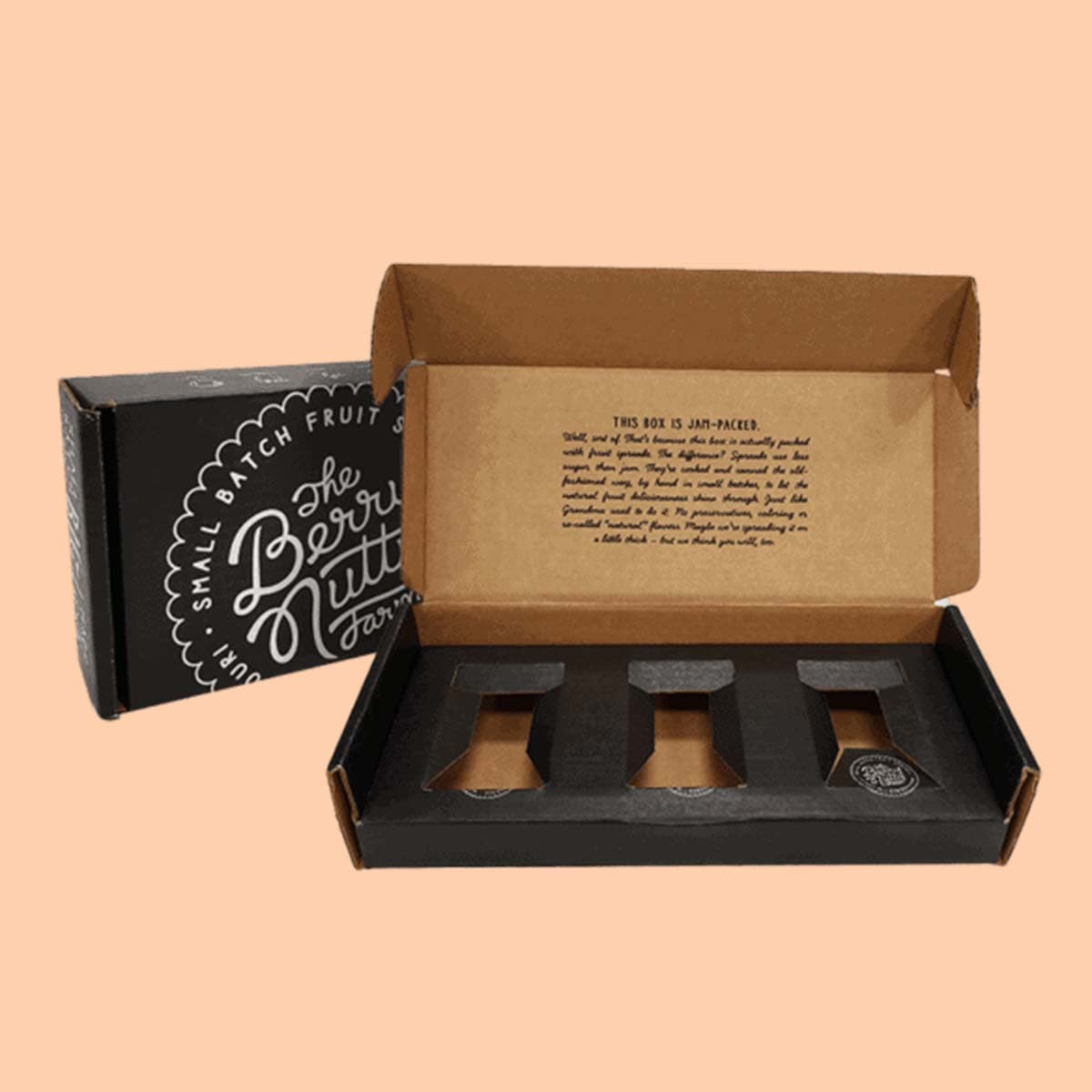
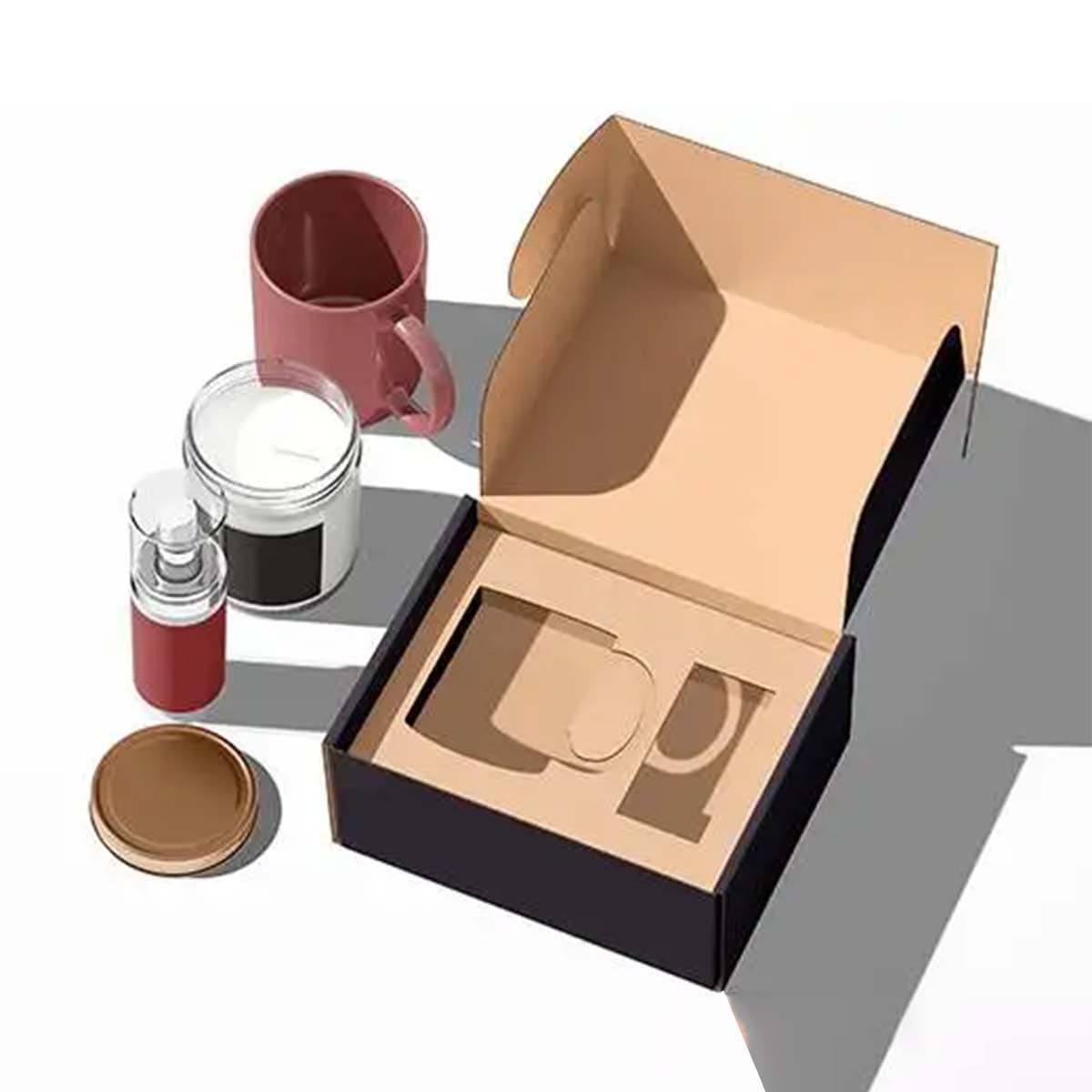
Three specific problems. Not one. First: product movement. An insert holds the product at a fixed position so it cannot shift during transit or handling. For fragile products, this is the direct difference between an intact delivery and a damaged return. Second: the presentation gap. When a buyer opens a box and finds the product seated in a shaped insert cavity, it signals that the brand thought about every part of the experience. When a buyer opens a box and finds the product loose in empty space, it undercuts whatever the exterior packaging was trying to communicate. Some brands invest in premium box builds and then let loose product movement undo that impression at the exact moment of opening. Third: multi-item organization. Gift sets, skincare kits, and electronics bundles that contain multiple pieces need something to hold each item in its own position. Without an insert, a three-item set arrives as a pile. With an insert, it arrives as a curated layout.Insert Materials and What Each One Handles
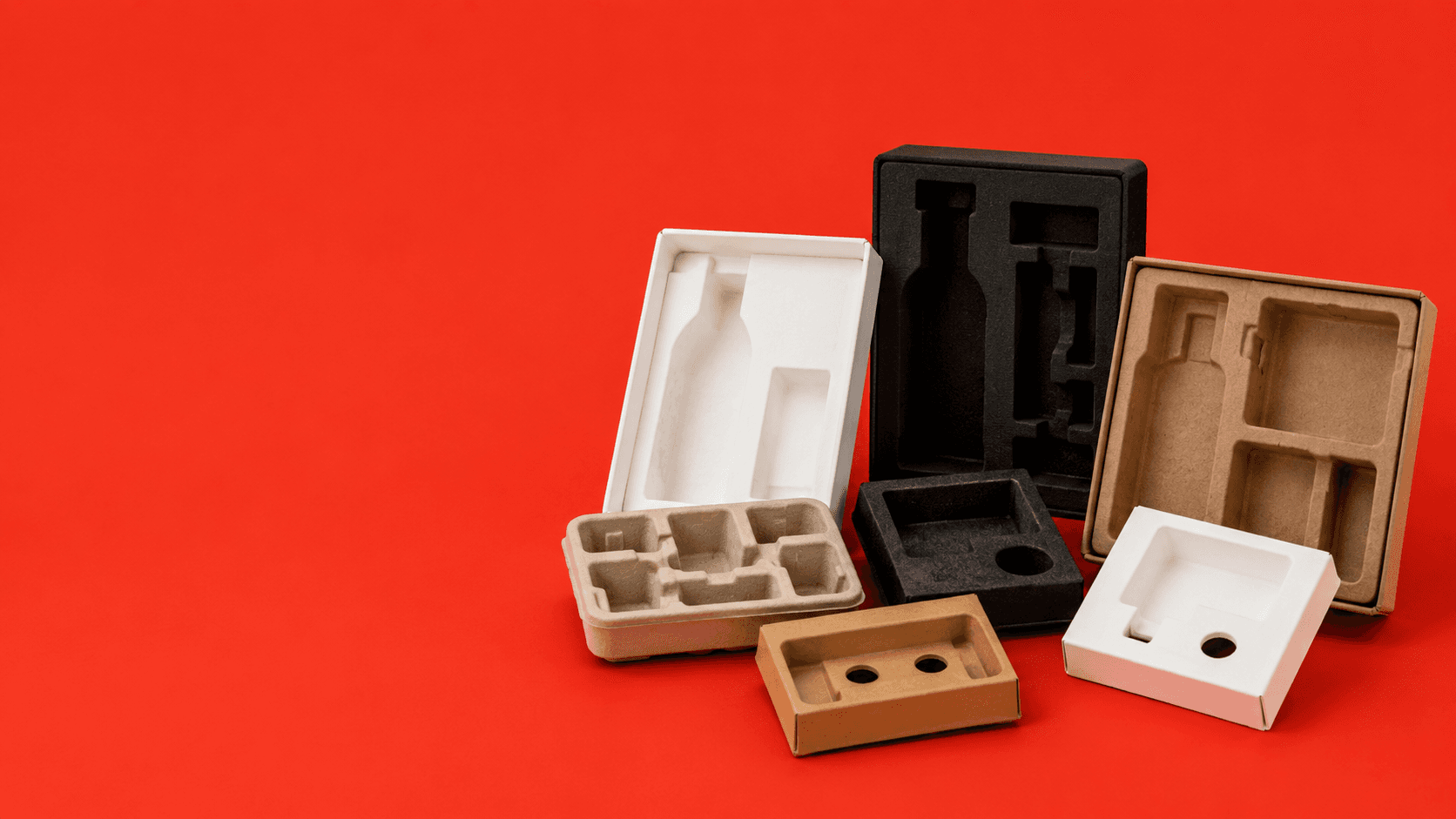
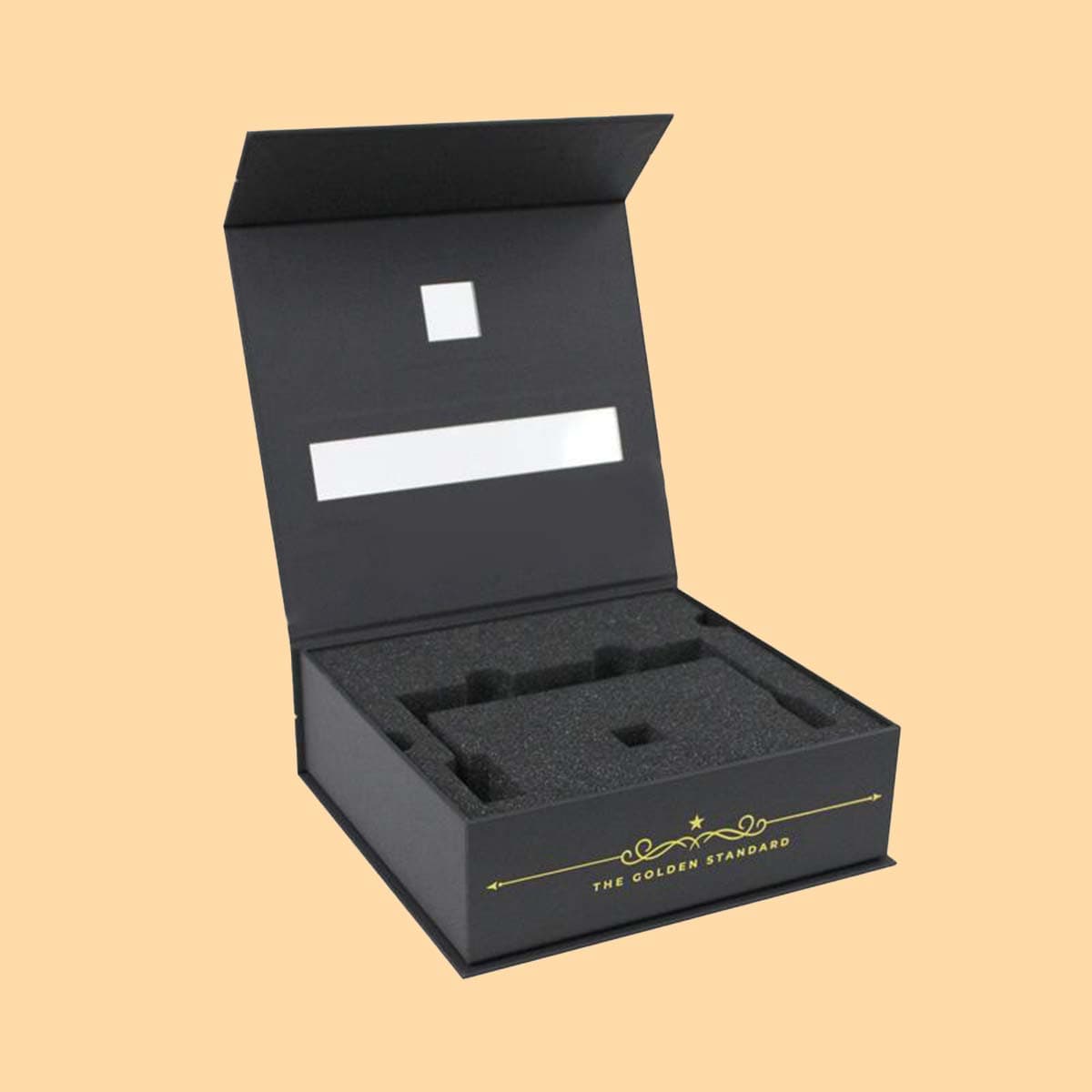
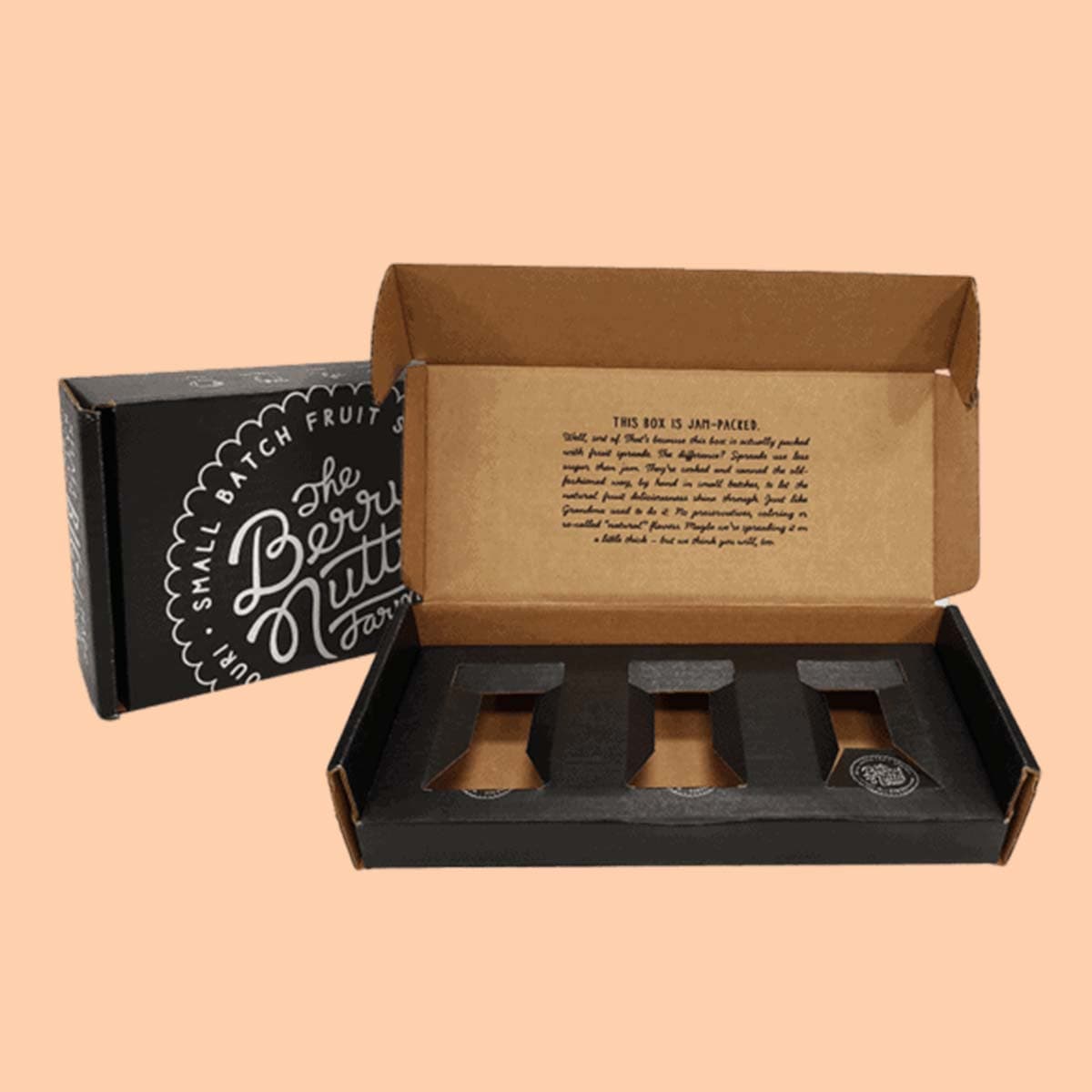
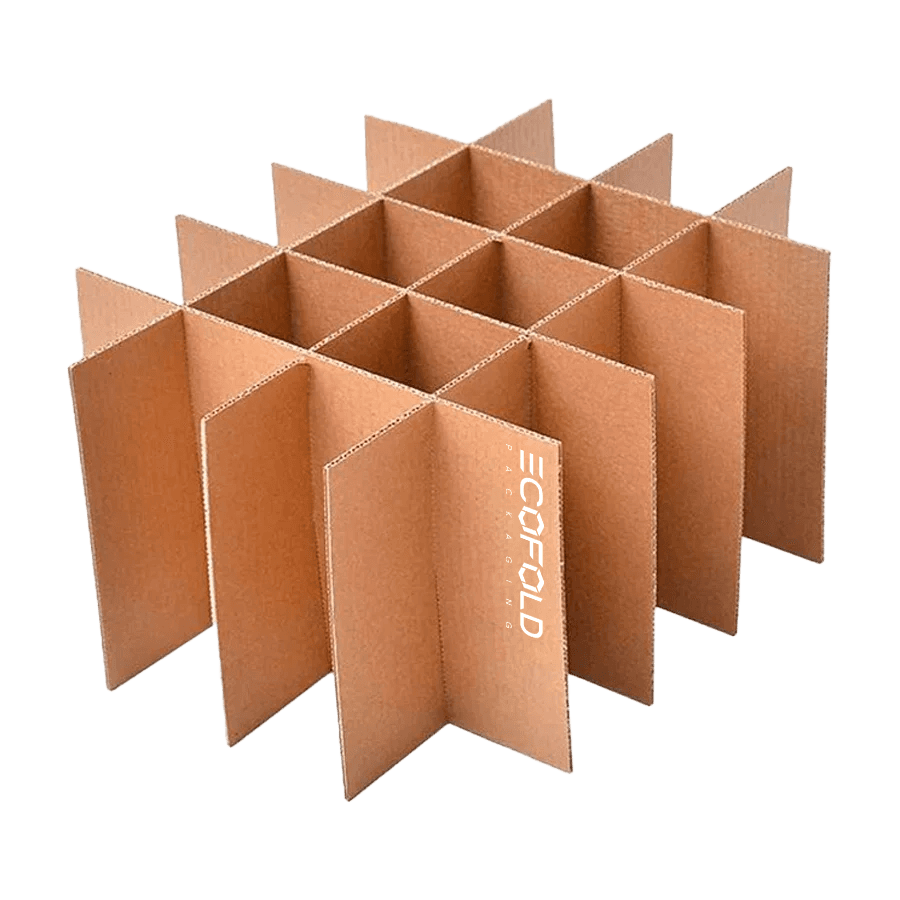
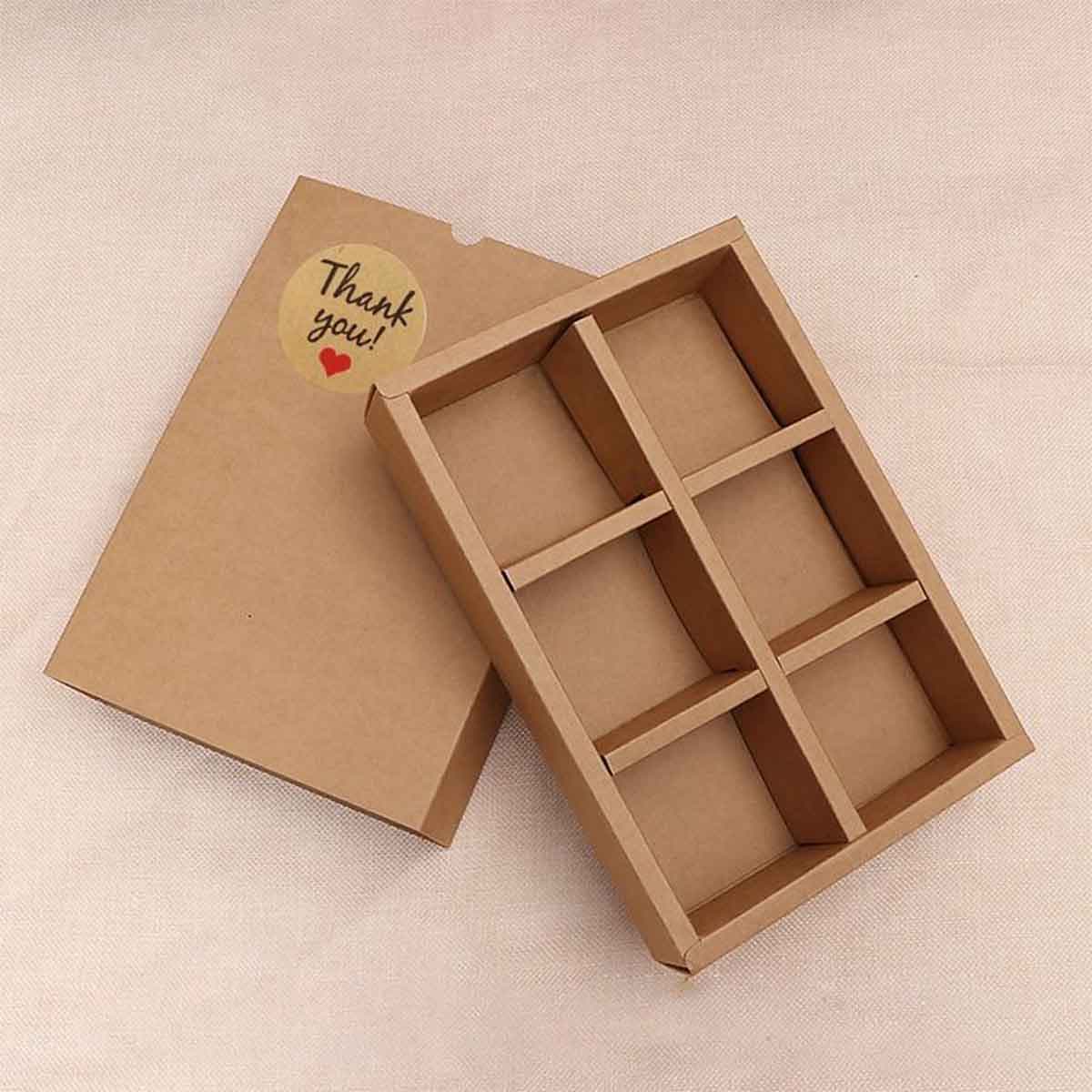
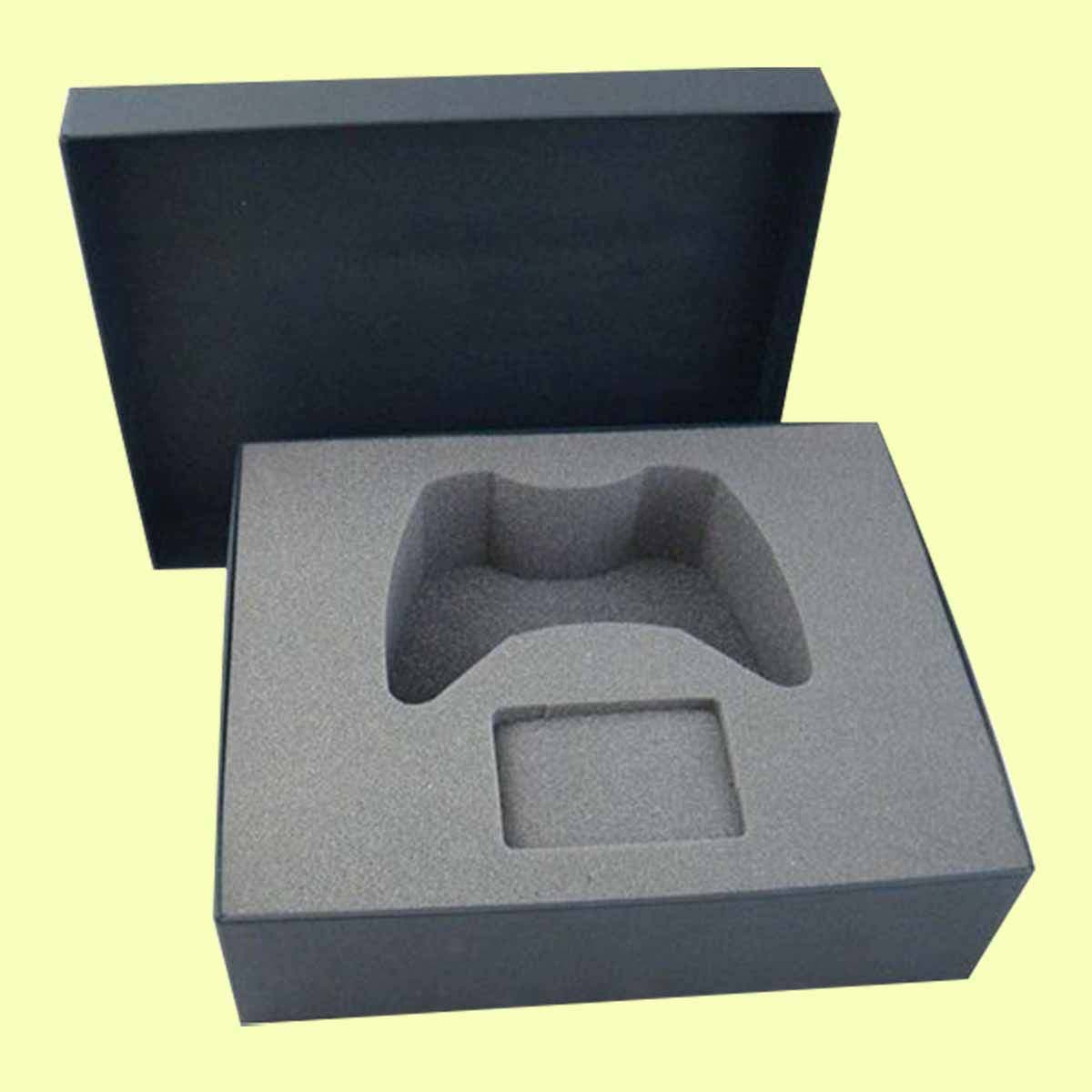
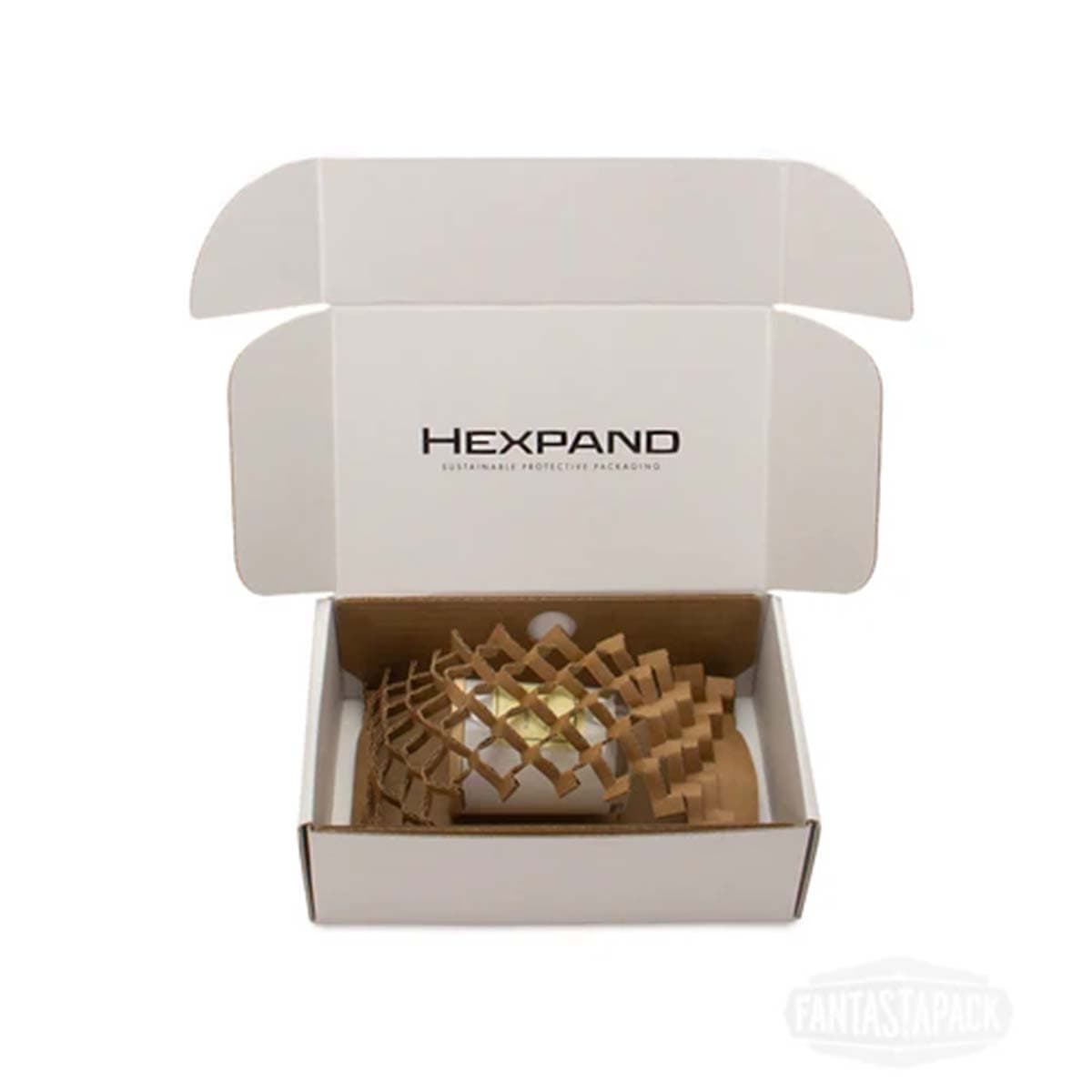
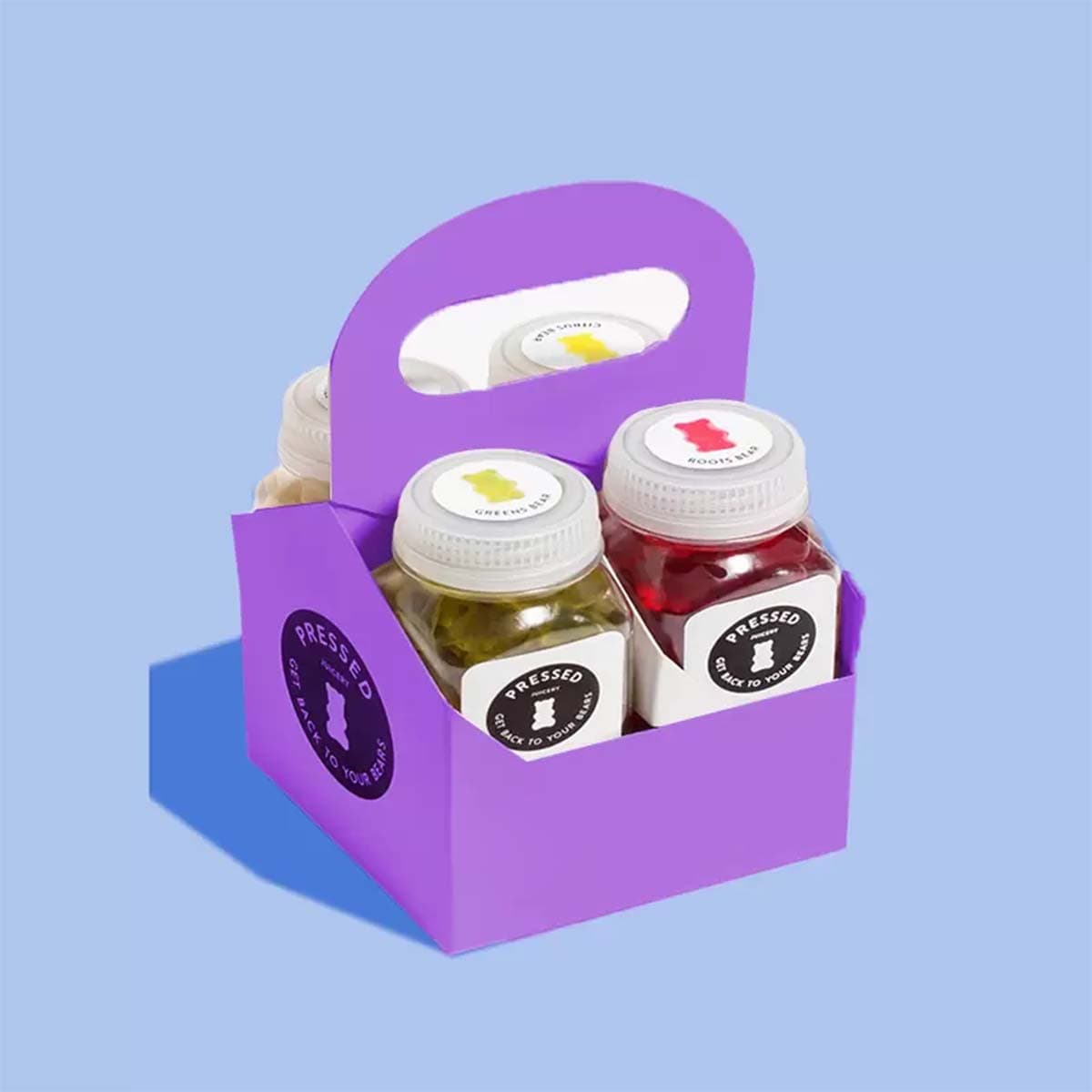
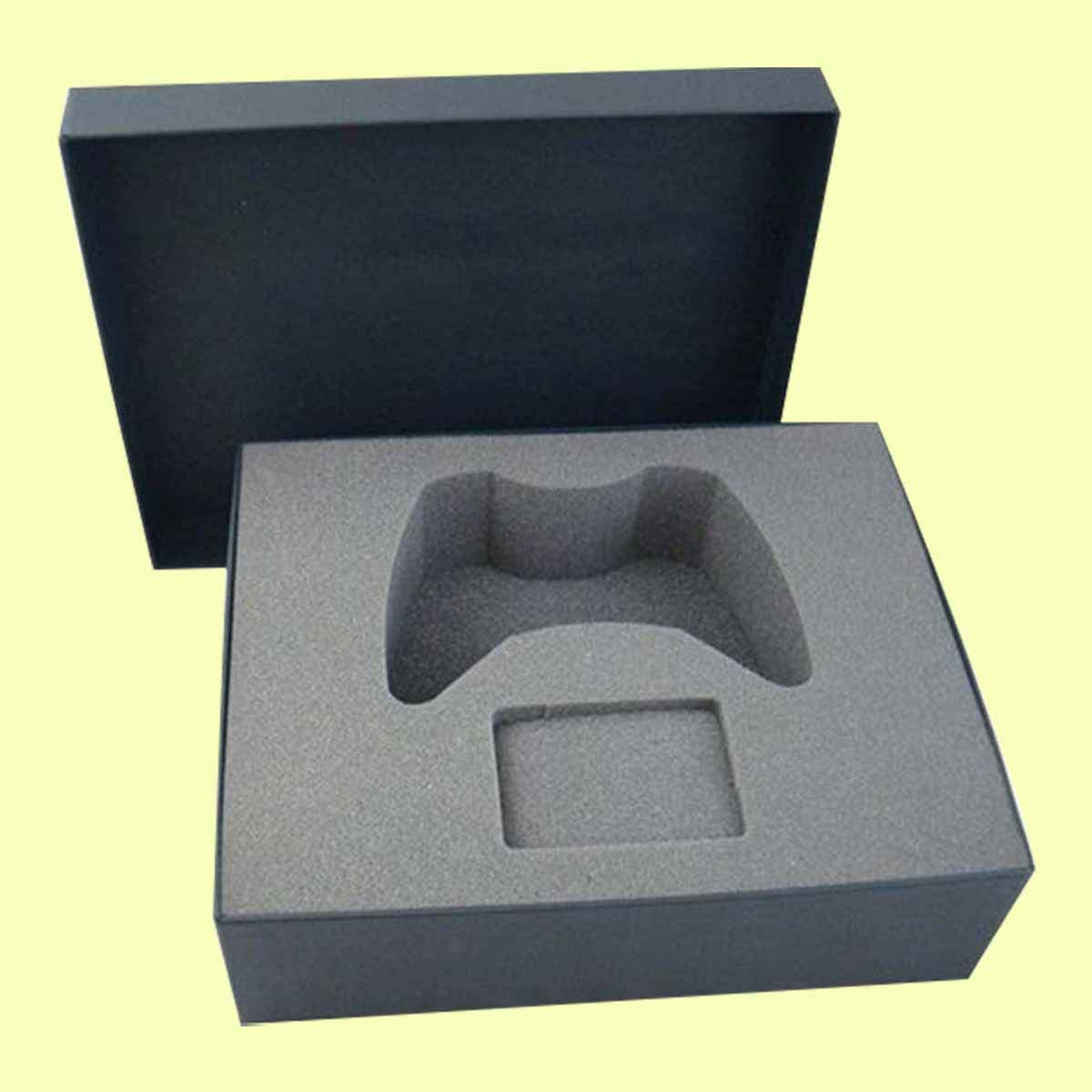
Foam inserts are the most common choice for fragile and higher-value products. EVA foam is denser and holds shape under compression, which suits electronics accessories, tools, and heavier items. Softer polyurethane foam works better for delicate surfaces like cosmetic compacts and glassware where you want grip without marking. Beauty brands building foam into their custom cosmetic boxes typically use soft foam for compact and jar products and firmer EVA for weighted serums and pump bottles. Paper pulp and molded tray inserts are what most brands overlook and what often outperforms foam for cylindrical products. Molded pulp conforms to the bottle shape, grips it at multiple contact points, and sits flush against the box walls. Bottle brands pairing inserts with their custom bottle boxes regularly find molded pulp gives a cleaner, more stable hold than foam for round glass bottles, because foam compresses unevenly against a curved surface. Cardboard and corrugated inserts including cell dividers and platform trays, are the right choice for regularly shaped lighter products that need separation without cushioning. Multi-item retail kits, gift sets, and wine packs all use corrugated cell structures to keep pieces separated at a low per-unit cost. Kraft paper in crinkle or sheet form is the lightest-cost insert option. It provides minimal impact protection but adds visual fill that makes a product presentation look intentional. For lightweight items where structure is not the main concern, kraft fill is a practical choice.Getting the Insert Dimensions Right
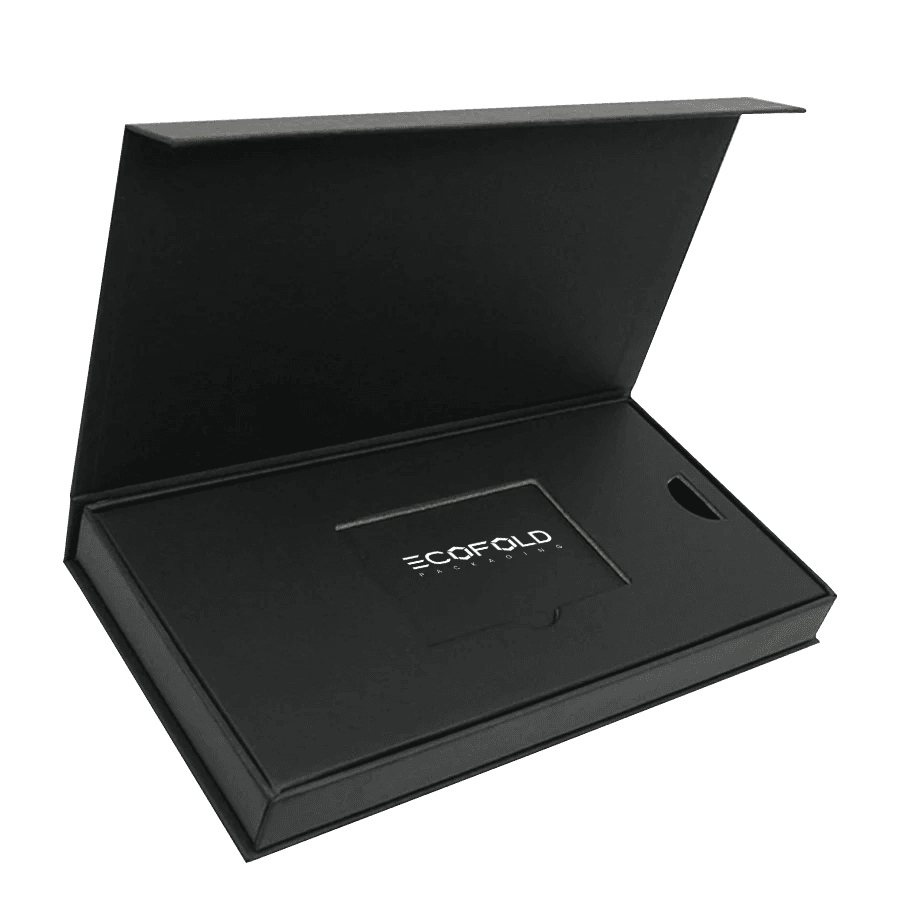
Insert sizing is where the most avoidable errors happen on first orders. For foam inserts, the cavity cut into the foam should be 1 to 2mm smaller than the product on each side. That creates a friction fit: the product requires a gentle push to seat, which means it cannot shake free on its own. A cavity sized exactly to the product has no friction and the product rattles. A cavity cut 5mm or more too small distorts the foam surface and risks marking the product finish. Foam thickness is the other variable. The insert height should bring the product flush with the rim of the box base so the lid closes flat. If the foam is too thick, the lid bows up. If too thin, there is a visible gap above the product when the lid lifts. For custom rigid boxes where the base cavity depth is fixed, the foam thickness is calculated as the box base depth minus the product height. That gives the exact foam layer needed without guessing. For corrugated cell dividers, each cell should be 3 to 5mm wider than the product it holds. Tighter than that and packing staff cannot work at speed. Wider than that and the dividers do not stop lateral movement.Inserts by Product Type
The right insert material depends on the product shape, weight, surface finish, and how the box will be used after purchase.| Product Type | Recommended Insert | Why |
| Glass bottles, serums, heavy jars | Soft foam or molded paper pulp | Cushions against impact and grips the bottle neck and base |
| Electronics accessories, tools, gadgets | Die-cut EVA foam | Firm hold, does not compress under product weight during stacking |
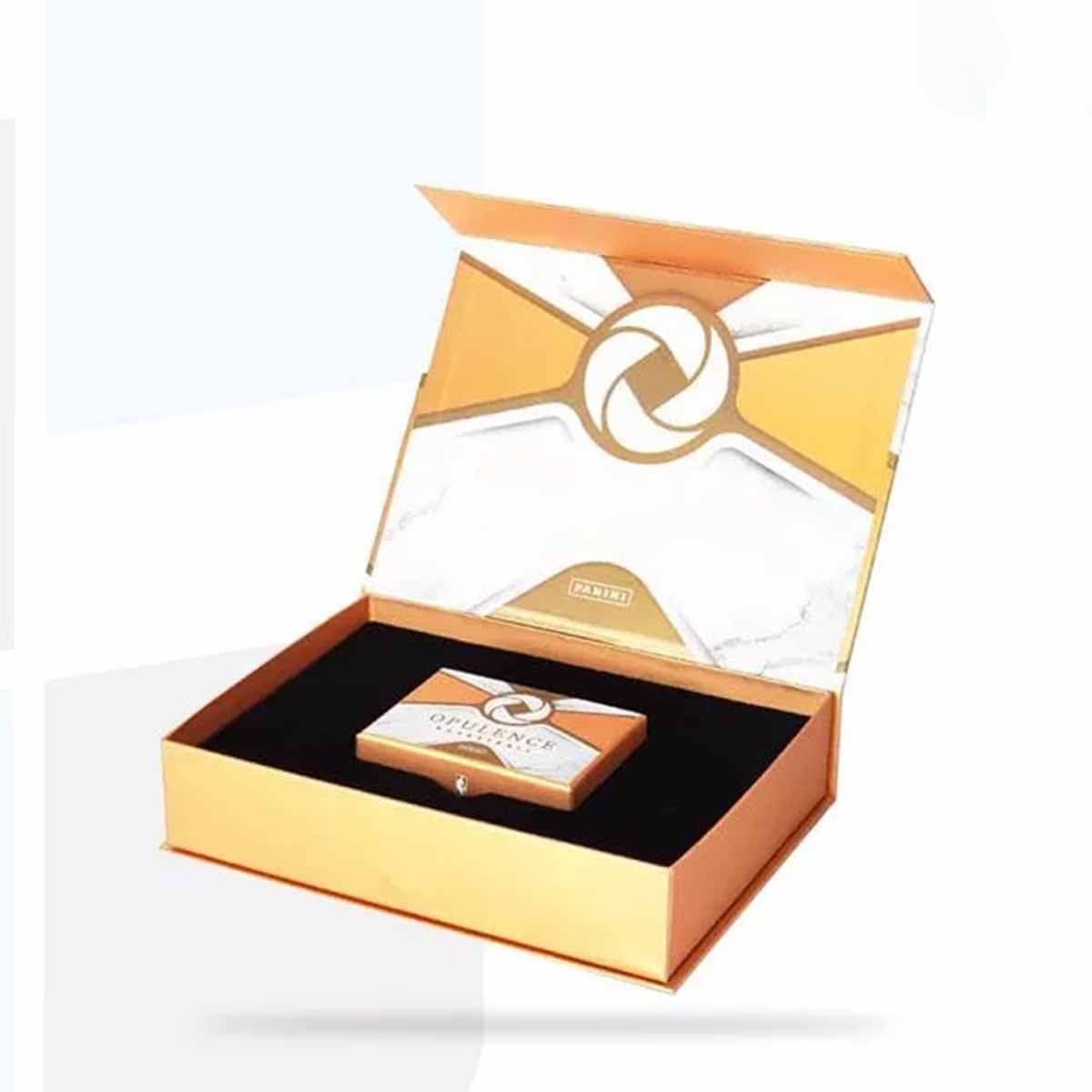
| Cosmetic palettes and compacts | Soft foam with optional velvet flocking | Prevents mirror scratching and powder breakage, premium presentation |
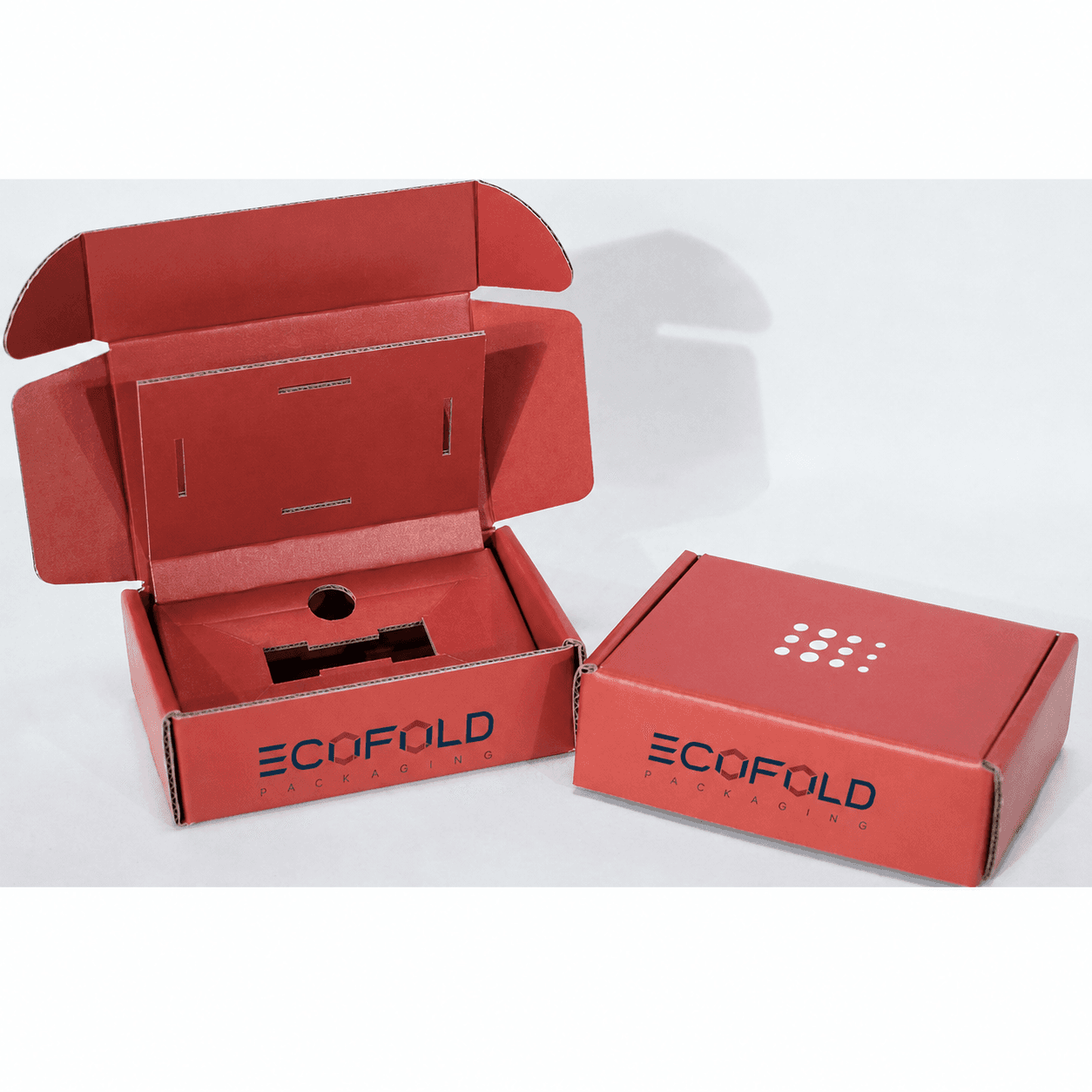
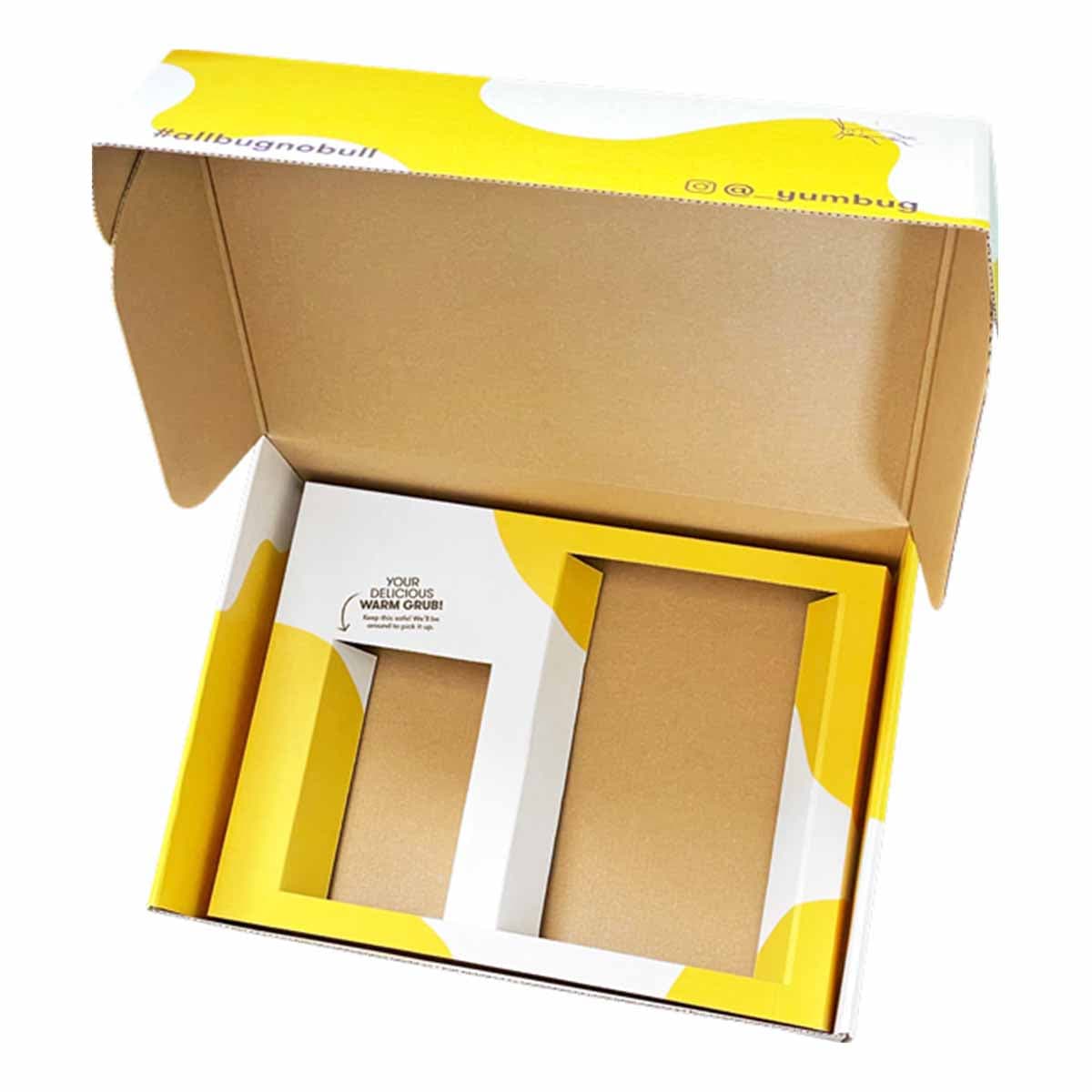
| Multi-item gift sets, skincare kits | Corrugated cell dividers or cardboard platform | Separates each item visually and prevents pieces from contacting each other |
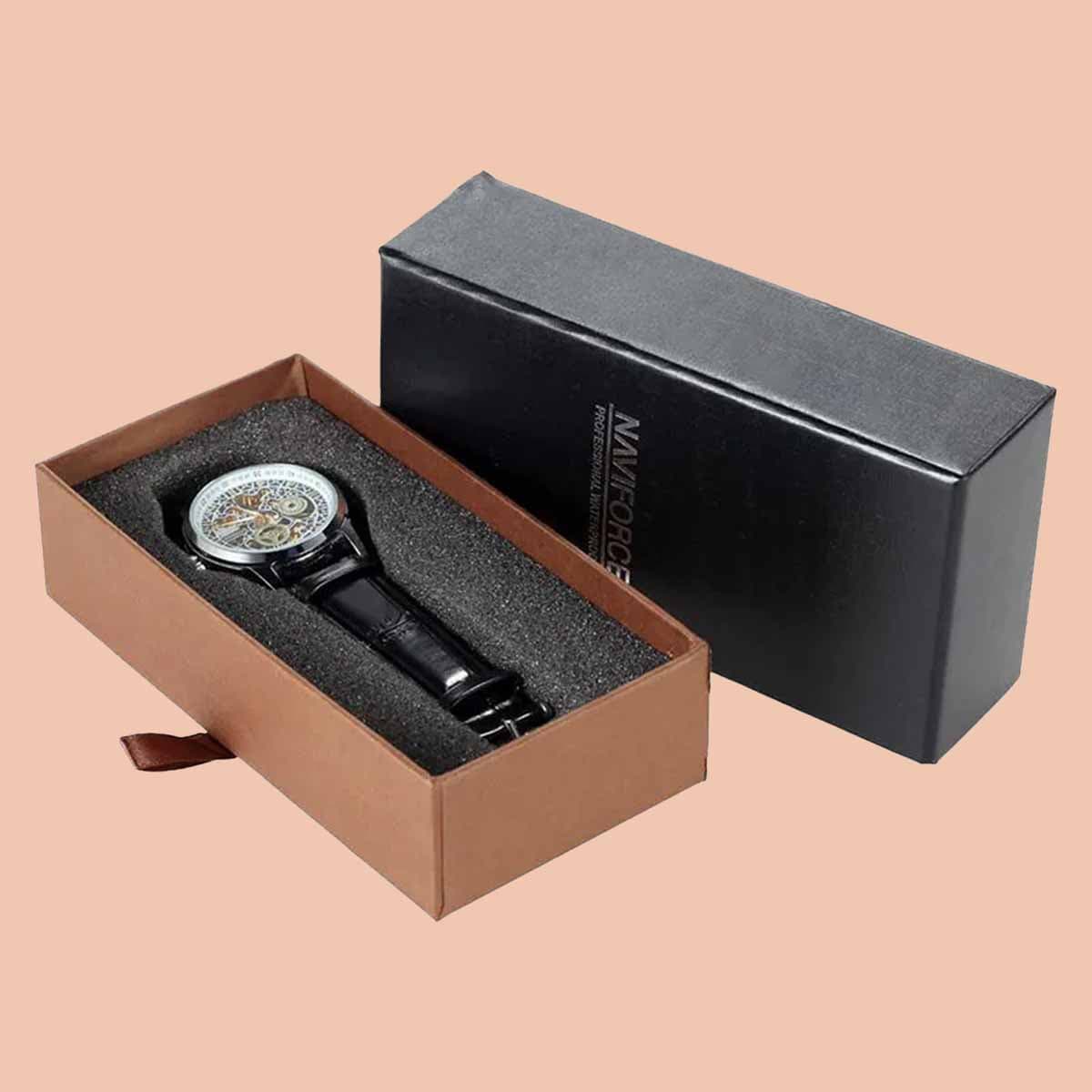
| Jewelry and watches | Soft foam with velvet flocking | Premium look at opening, keeps items at the correct display angle |
| Light retail products, paper goods | Kraft crinkle fill or paper tray | Low-cost visual fill, minimal cushioning, quick to pack |
| Fragile ceramics and candle jars | Molded paper pulp or foam with firm walls | Even pressure on the outer surface prevents chipping from point contact |
Inserts for Shipping vs Retail Presentation
The insert's job is different depending on where the box is going. For ecommerce and delivery, structural performance is the priority. The insert needs to hold the product through drops, compression between other packages, and vibration across transit distance. Ecommerce brands pairing inserts with their custom mailer boxes need insert density rated for the compression pressure a mailer box experiences when multiple identical boxes are stacked during fulfillment. Foam grade and wall thickness both feed into that spec. For retail and gift packaging, visual composition matters as much as protection. The product should sit at a height and angle that looks considered when the lid lifts. An insert that positions a fragrance bottle centered in a rigid base with a consistent foam border visible on all sides communicates something different than a product sitting on a flat fill layer. Both protect the product. Only one of them turns the opening into a moment that reinforces the brand.Who Orders Custom Box Inserts?
- Electronics and gadget brands shipping items that need firm positional hold through carrier transit
- Beauty and skincare brands organizing palettes, serums, and multi-product kits inside printed cartons
- Jewelry and watch brands where the insert quality is part of the perceived product value
- Gift and subscription box companies building multi-item kits with a clean, organized layout
- Supplement and wellness brands shipping protective packaging inserts alongside glass dropper bottles and heavy supplement jars
- Candle brands packing glass jars that cannot be allowed to move inside the outer box during shipping
- Corporate gifting teams where the arrangement and reveal of the box contents is part of the brand experience
Why Brands Order From EcoFold
- MOQ starts at 100 units with foam, cardboard, corrugated packaging inserts, and molded pulp options
- Custom cavity sizing to your exact product dimensions, no standard templates
- EVA, PE, and PU foam grades with optional velvet flocking for premium builds
- Corrugated cell dividers, cardboard platform trays, and paper pulp trays all available
- 8 to 10 business day turnaround after artwork approval
- No die or plate charges, with clear pricing before production starts
- Ships to businesses across the USA